The Vietnam e-visa is a convenient online application process for travelers looking to enter Vietnam for tourism or business. This article discusses the benefits and eligibility criteria for obtaining a Vietnam e-visa, detailing the application process, common pitfalls to avoid, and additional support services available for applicants. Learn how to streamline your visa application, what documents you’ll need, and how to navigate potential challenges to ensure a smooth experience. Whether you’re planning a short visit or a quick business trip, understanding the e-visa system will help you access Vietnam’s rich culture and beautiful landscapes with ease.
Understanding the Vietnam E-Visa
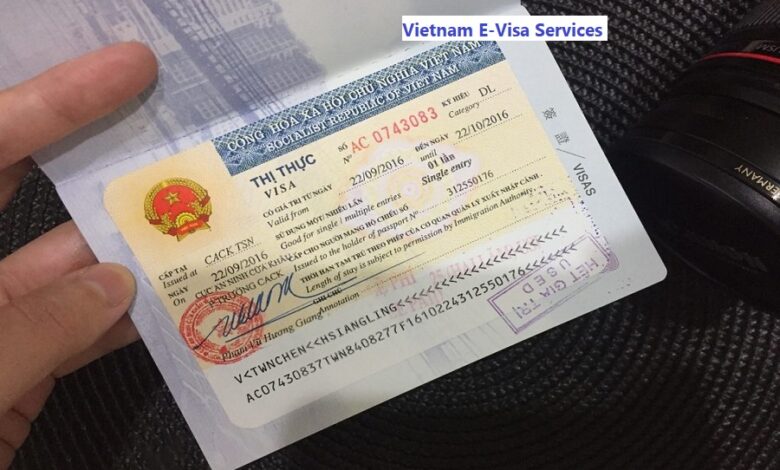
The Vietnam e-visa is a modern alternative to traditional visa vietnam options, allowing travelers to apply for their entry permit online. This streamlined process caters primarily to tourists, business travelers, and individuals visiting Vietnam for other short-term purposes. The introduction of the Vietnam e-visa has revolutionized travel by offering a more convenient method for obtaining necessary documentation without the need to visit embassies or consulates.
Generally, travelers from eligible countries can apply for the e-visa, which is valid for 30 days and permits single entry into Vietnam. The eligibility criteria ensure that citizens of many nations, including the United States, the United Kingdom, Australia, and some EU countries can enjoy this simplified application procedure. By categorizing these travelers, Vietnam effectively broadens its appeal to a diverse audience looking to explore its rich culture and beautiful landscapes.
The e-visa’s popularity can be attributed to its numerous advantages over traditional visa vietnam online procedures. Apart from the convenience of applying at any time from the comfort of one’s home, the online process significantly reduces waiting times and the bureaucratic hurdles commonly associated with visa applications. With just a few clicks, applicants can fill out a simple form, upload necessary documents, and pay the processing fee electronically. Furthermore, the approval notifications are usually sent via email, eliminating the need to wait in long lines or deal with physical paperwork.
In summary, the Vietnam e-visa is designed to provide a user-friendly experience for travelers by minimizing complexity, thereby encouraging more visitors to embrace the enchanting opportunities that Vietnam offers. This efficient online application method stands out as a practical solution for those planning a quick trip to this vibrant Southeast Asian destination.
The Application Process for Vietnam E-Visa
Applying for a Vietnam e-visa is a straightforward process, primarily conducted online. To begin, prospective travelers need to gather the necessary documents. Essential documents include a valid passport with at least six months’ validity from the date of entry into Vietnam, a passport-sized photo, and a valid email address for communication and notification purposes. It is also recommended to have details of your planned itinerary within Vietnam, although formal documentation of travel plans is not mandatory.
Once you have gathered the required documents, the next step is to fill out the online application form. The e-visa application is available on various official government websites. Applicants should ensure they enter all the information accurately, including personal details, passport information, and travel dates. Double-checking the provided information can prevent unnecessary delays.
After completing the application form, the payment process begins. The standard fee for a Vietnam e-visa varies depending on the applicant’s nationality and the processing time selected. Payment can typically be made through various secure online methods, including credit and debit cards. It is essential to retain the payment confirmation for your records, as this may be required for tracking purposes.
The typical processing time for a Vietnam e-visa ranges from three to five business days, although it can sometimes be expedited for an additional fee. Once the application has been submitted, applicants can track their visa status through the same portal used for the application. By entering the application reference number and email used during submission, applicants can easily monitor their e-visa approval status.
See also this article: Online Vietnam Visa Services Explained
Common Pitfalls and How to Avoid Them
Applying for a Vietnam e-visa can be a straightforward process if done correctly, yet many applicants fall prey to common pitfalls that can lead to delays or even refusals. Awareness of these issues, along with practical strategies for avoiding them, can greatly enhance the chances of a successful application.
One prevalent issue is the submission of incorrect personal information. Applicants should double-check their details, such as name, nationality, and passport numbers, against their official documents. Errors often arise due to typographical mistakes or confusion over similar-sounding names. To mitigate this risk, it is advisable to have a second pair of eyes review the information before final submission.
Another frequent point of failure is related to document uploads. The e-visa application requires specific scanned documents such as passport pages and recent photographs. Many applicants overlook the required quality and format, resulting in rejection. Ensuring that all documents are clear, correctly sized, and meet the specified criteria is crucial. A systematic checklist can be a valuable tool to verify that all requirements are met before submitting the application.
Payment problems can also complicate the e-visa process. Issues such as declined transactions or failure to receive a confirmation email can lead to uncertainty. Applicants should use reliable payment methods and ensure their internet connection is stable during the transaction. Keeping a record of all payment confirmations is also recommended in case of disputes.
Finally, applicants should not disregard the possibility of rejection. Understanding the common reasons for e-visa denial, such as incomplete applications or previous travel violations, can aid in creating a more robust application. If a rejection occurs, reviewing feedback or reaching out to support can help rectify issues for future attempts.
Additional Services and Support for E-Visa Applicants
When applying for an e-visa to Vietnam, numerous additional services and resources are available to assist applicants in navigating the process with ease. First and foremost, visa consultancy services can be invaluable in ensuring that your application is completed accurately. These professionals possess the expertise necessary to guide applicants through the intricacies of the e-visa system, making sure that all required documents and information are submitted correctly.
For applicants facing complicated cases, specialized support services are crucial. Such scenarios may include instances where travelers have previous visa rejections or have encountered issues with their travel history. These case-specific support services can provide tailored advice, helping individuals understand their options and the steps required to resolve any complications that may arise.
Moreover, some applicants may require expedited services due to unforeseen circumstances, such as last-minute travel arrangements. Various online platforms and travel agencies offer expedited processing options, which can significantly reduce the waiting time for obtaining an e-visa. It is advisable to check for these services when applying, as they can be a game-changer for urgent travel plans.
Furthermore, the official government websites provide a wealth of information and resources pertinent to the e-visa application process. These platforms typically offer detailed guidelines, FAQs, and support contact information, allowing applicants to find answers to common queries swiftly. Additionally, many travel agencies offer customer support via online chat or email, allowing for real-time assistance during the application process.
In conclusion, while the e-visa application process for Vietnam is relatively straightforward, applicants may benefit significantly from the array of additional services available. By utilizing consultancy services, specialized support, expedited options, and reliable online resources, travelers can enhance their application experience and ensure that they are fully prepared for their journey.
Liên hệ đơn vị
VisaVietnamOnline
- Address: 1728 Big Canyon Trail, Carrollton, TX 75007, US
- Phone: +1(972)-666-0676
- WhatsApp:(+84)968 18 77 18
- Email: [email protected]
- Website: visavietnamonline.org